Safepal wallet app is a mobile control center for SafePal software, hardware, and browser wallets
Key takeaway: Mobile crypto wallet for storing, buying and trading digital assets, with Bitcoin, BNB, Ethereum and ERC20 token support.
Safepal wallet app is a mobile crypto wallet for iOS and Android that manages Bitcoin, BNB, Ethereum, ERC20 tokens, and thousands of other digital assets from one interface. Its distinctive role is that the same app works as a standalone software wallet and as the companion control screen for SafePal hardware wallets such as S1, S1 Pro, and X1, so users handle balances, swaps, trades, and wallet settings from a phone.
Mobile control across SafePal App, S1, S1 Pro, and X1
The SafePal ecosystem is built around a simple idea: keep the daily wallet experience on mobile while giving users a choice between software custody and hardware-assisted signing. The app is the place where accounts, networks, asset lists, transfers, and transaction prompts come together. A user who only wants a phone wallet starts inside the app; a user who wants a dedicated signing device pairs the app with a SafePal hardware wallet.
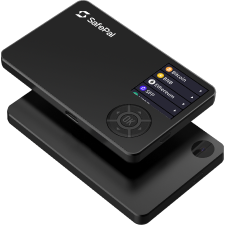
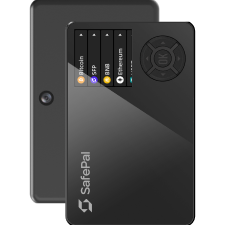
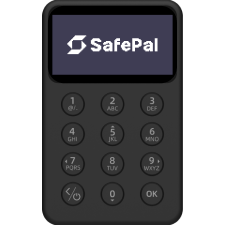
That pairing matters because SafePal sells several wallet products for different habits. S1 is the flagship air-gapped hardware wallet line, S1 Pro is the enhanced version, and X1 is the open-sourced Bluetooth hardware wallet for easier mobile management. Safepal wallet app acts as the shared interface across those devices, so the phone shows the request and the hardware wallet handles the signing flow.
How the app handles Bitcoin, BNB, Ethereum, and ERC20 assets
Asset support is the reason most people arrive at the app first. Bitcoin, BNB, Ethereum, and ERC20 tokens are core examples, and the app also tracks many other digital assets that a multi-chain holder expects to see. The important detail is that token balances live on their respective blockchains; the app reads those networks, builds transaction requests, and displays the result in a format that works on a small screen.
On Ethereum and ERC20 transfers, network fees are paid in ETH. On BNB networks, fees are paid in the chain's native BNB. Bitcoin transfers use Bitcoin network fees. Safepal wallet app does not remove those base-layer costs, so a transfer still needs the correct gas asset before it confirms. This is the common place where new users get stuck: a wallet can show a token balance while lacking the native coin needed to move it.
The signing flow when a hardware wallet is connected
With a software wallet, the phone app holds the wallet credentials needed to authorize transactions. With a hardware wallet, the mobile screen becomes the transaction builder and viewer, while the device performs the approval step. SafePal's air-gapped hardware model emphasizes separation between the device and online connections; Bluetooth on X1 is aimed at convenience while keeping the hardware wallet as the signing tool.
A typical hardware-wallet transfer starts in the app: choose the asset, paste or scan the receiving address, enter the amount, review the fee, and submit the signing request. The hardware wallet then presents the approval step. The user checks the destination and amount before signing. After signature, the app broadcasts the transaction and monitors confirmation status.
Buying, swapping, and trading from the phone
Safepal wallet app includes more than send-and-receive screens. The mobile experience is designed around buying, selling, swapping, and trading crypto on the go. That makes it useful for someone who wants a wallet interface rather than a separate exchange-only workflow. The app's swap and trade paths sit alongside normal wallet actions, so a user moves from holding an asset to exchanging it without rebuilding a portfolio view elsewhere.
Costs come from the route being used. A blockchain swap pays network fees and includes the pricing of the liquidity route. A buy or sell flow uses the payment provider and the asset network involved. The cleanest habit is to review the asset, network, fee asset, and receiving address before approving a transaction, especially when moving between BNB, Ethereum, and other supported chains.
Setting up the app without losing the recovery phrase
The first setup choice is creating a new wallet or importing an existing one. A new wallet generates a recovery phrase, and SafePal's product line also includes Cypher for storing 12, 18, and 24 word seed phrases against water, fire, and corrosion. The phrase is the master recovery material for the wallet, so it deserves offline storage and a second check before meaningful funds arrive.
A basic setup flow looks like this:
- Install the SafePal App on iOS or Android.
- Create a software wallet or pair a SafePal hardware wallet.
- Write down the recovery phrase in the exact order shown.
- Add the networks and assets needed for Bitcoin, BNB, Ethereum, or ERC20 tokens.
- Send a small test transaction before transferring a larger balance.
On a practical level, Safepal wallet app becomes easier to use once the asset list matches the user's actual holdings. Hiding unused tokens, naming wallets clearly, and separating long-term storage from active trading accounts keeps the interface readable.
Where the browser extension and Telegram Mini App fit
That said, SafePal is not limited to the mobile app. The Browser Extension supports Chrome, Edge, and Firefox, while SafePal Mini exists as a Telegram Mini App. Those options give users different entry points for crypto management, but the mobile app remains the broadest everyday surface for people who want wallet access from a phone.
The extension suits desktop browsing and web app connections. The Telegram Mini App suits lightweight access inside Telegram. Safepal wallet app is the better fit when mobile signing, hardware wallet pairing, QR-style flows, and phone-based portfolio checks are central to the workflow. Users who split activity between desktop and mobile should keep wallet names consistent so they do not confuse receiving addresses across chains.
Security habits that matter inside a mobile wallet
Mobile wallet security starts with the recovery phrase, device lock, and transaction review. The app can organize many assets, but the user still approves what leaves the wallet. Address poisoning, fake tokens, and mistaken network choices are common crypto problems because wallet screens display assets from public networks where anyone can create confusing token names.
The strongest routine is simple and specific: confirm the network, compare the first and last characters of the receiving address, keep a small amount of native gas coin on active chains, and avoid approving contracts that request unlimited access unless the use case clearly requires it. Safepal wallet app gives the transaction context; the final decision happens at approval time.
SafePal token, banking features, and the wider product line
SFP is the ecosystem token associated with SafePal. A user researching the app will also encounter SafePal hardware wallets, the Browser Extension, SafePal Mini, accessories such as the Leather Case, and seed storage through Cypher. The company also promotes banking-related features, including a crypto friendly gateway and Mastercard product, which places the app closer to an everyday crypto account interface than a single-purpose cold storage companion.
That breadth is the main reason the app appeals to both beginners and experienced holders. Someone can begin with a mobile wallet, add hardware signing later, use the extension for browser sessions, and keep the same brand ecosystem around seed storage and account management. Safepal wallet app is strongest for users who want Bitcoin, BNB, Ethereum, ERC20 tokens, and hardware-wallet compatibility under one mobile-first workflow.
When another wallet style makes more sense
A mobile-first wallet is not the perfect fit for every crypto routine. Heavy desktop DeFi users often prefer a browser extension as the primary interface. People who want only long-term offline storage may spend most of their time with a hardware wallet and open the app only when sending or checking balances. Users who live inside one chain, such as Bitcoin-only holders, may prefer a wallet built solely for that network.
More broadly, SafePal's advantage is range rather than narrow specialization. It covers mobile asset management, hardware wallet pairing, extension access, and multi-chain token support without forcing every user into the same setup. Safepal wallet app is best understood as the phone-based hub for that range: practical for daily checks, transfers, swaps, and hardware-backed signing when the user wants a broader SafePal stack.
Safepal wallet app - common questions
Which phones run Safepal wallet app?
Safepal wallet app is built for iOS and Android. The practical requirement is a phone that runs a supported version of the operating system and has enough reliability for wallet use, camera scanning, and app updates. Very old phones create avoidable risk because outdated software, weak battery health, and limited security updates make transaction review less dependable.
Can I move BNB from an exchange into the SafePal App?
Yes, exchange withdrawals can be sent to an address shown in the SafePal App when the selected network matches the receiving address. The network choice matters. BNB on one network must be withdrawn to the corresponding BNB address format inside the wallet, and the wallet also needs native gas for later transfers or swaps.
Recovering a SafePal seed phrase with 12, 18, or 24 words, what should match?
The words must be entered in the original order and with the same wallet standard supported by the app or hardware wallet. SafePal also sells Cypher for protecting 12, 18, and 24 word seed phrases against physical damage. A recovery check should happen before sending large balances to a newly created wallet.
Does the SafePal mobile app require a hardware wallet?
No. The mobile app supports software wallet creation on iOS and Android, so a user can manage crypto from the phone alone. A SafePal hardware wallet adds a separate signing device for people who want that custody model. The same app also works as the companion interface for devices such as S1, S1 Pro, and X1.