Safepal wallet is a SafePal app and hardware setup for self-custody
Key takeaway: Crypto storage app and hardware wallet suite for managing digital assets, with SFP support across mobile, extension, and devices.
Safepal wallet is a self-custody SafePal setup that pairs the SafePal App, browser extension, and hardware devices for storing and managing crypto assets. It supports Bitcoin, BNB, Ethereum, ERC20 tokens, NFTs, and many other digital assets while keeping recovery control with the user through a seed phrase. The distinctive feature is the choice between mobile software access, air-gapped hardware signing, and Bluetooth hardware management in one SafePal ecosystem.
The SafePal App, extension, and devices work as one custody stack
The product line is built around different access points rather than a single wallet screen. The SafePal App runs on iOS and Android for daily portfolio management, token transfers, swaps, DApp access, and account monitoring. The browser extension brings wallet functions into Chrome, Edge, and Firefox, which matters for users who interact with DeFi sites from a desktop environment.
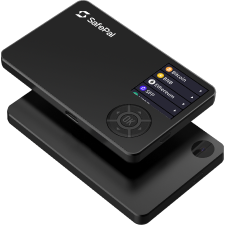
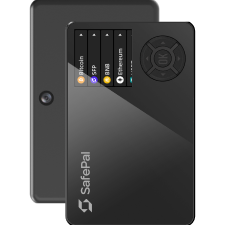
Hardware devices add a separate signing layer. SafePal S1 is the flagship air-gapped hardware wallet, S1 Pro is the enhanced version with improved specifications, and X1 is the open-sourced Bluetooth hardware wallet for easier crypto management. A user who wants faster mobile access uses the app alone; someone storing larger balances links a device so private-key approval happens away from the phone or browser.
How air-gapped signing changes everyday transfers
With an air-gapped flow, the signing device stays isolated from USB, Wi-Fi, NFC, and Bluetooth communication during transaction approval. The phone prepares the transaction and presents data visually; the hardware wallet signs after the owner reviews the details. This design gives Safepal wallet its most recognizable security pattern: the online app handles discovery and broadcasting, while the device protects the signing secret.
The workflow still feels mobile. The user scans, confirms, and broadcasts without typing private keys into a website or moving a seed phrase between devices. That division is especially useful when sending Bitcoin, Ethereum, BNB, or ERC20 assets, because the signing screen creates a second moment to inspect the destination address, token, chain, and amount.
Where SFP fits into the wallet experience
SFP is the SafePal ecosystem token. It appears alongside the wallet products as an asset tied to the SafePal environment, including app activity, community programs, and ecosystem participation. Users who hold SFP still need to treat it like any other crypto asset: choose the right network, check contract details inside the wallet interface, and understand that token prices move independently of wallet utility.
The app also supports major assets beyond SFP. Bitcoin, BNB, Ethereum, and ERC20 tokens are the obvious anchors, but the broader reason people use SafePal is multi-asset management from one interface. Portfolio balances, swap routes, token receiving addresses, and DApp connections are easier to track when the same wallet account is visible across mobile and extension surfaces.
Starting with a new SafePal account
A new setup begins with the SafePal App or a hardware wallet initialization. The owner creates or imports a wallet, records the recovery phrase, and confirms the phrase before receiving funds. SafePal also sells Cypher, a metal recovery phrase storage product built for 12, 18, and 24 word phrases, which addresses the physical side of self-custody rather than the app interface.
Before funding the address, send a small test transaction on the intended network. This matters with assets that exist on multiple chains, such as stablecoins or wrapped tokens. A Safepal wallet address in the app is only useful when the sender chooses the matching network and asset standard. Once the test arrives, the same address can receive larger transfers with less operational risk.
Managing swaps, NFTs, and DeFi connections
The mobile app is the main place for active crypto management. Users check balances, send and receive assets, buy or sell through supported services, trade tokens, and connect to decentralized applications. The browser extension serves the same kind of role on desktop, where Web3 apps expect a wallet pop-up for account connection and transaction approval.
DeFi use adds another layer of responsibility because approvals grant smart contracts permission to move tokens. Safepal wallet helps surface the transaction request, but the user still needs to recognize what is being approved. Sensible habits include reading the token, chain, spender, and amount before signing, then removing approvals that are no longer needed.
- Use the app for balance checks, receiving addresses, swaps, and mobile DApps.
- Use the extension when a desktop DeFi interface is easier to navigate.
- Use S1 or S1 Pro when offline signing is the priority.
- Use X1 when open-source Bluetooth hardware management is preferred.
- Use metal seed storage when paper backup feels too fragile for long-term custody.
Hardware choices inside the SafePal lineup
The Safepal wallet product line gives users more than one custody style. S1 focuses on air-gapped signing and remains the recognizable SafePal hardware choice. S1 Pro keeps the same security-oriented role while adding improved specifications. X1 takes a different direction with a fully open-sourced Bluetooth hardware wallet for users who value easier connection flow and more transparent device software.
Accessories are part of the same decision. Cypher protects recovery phrases against water, fire, and corrosion, while a leather case protects the device from scratches and bumps. Those pieces are not cosmetic extras for every owner; they solve the ordinary problem that a hardware wallet is only as recoverable as the backup stored outside the device.
Fees, networks, and transaction confirmation details
A Safepal wallet transaction pays network fees to the blockchain being used, not to the wallet simply because a transfer is signed. Bitcoin fees are paid in BTC, Ethereum fees are paid in ETH, BNB Chain fees are paid in BNB, and other networks require their own gas asset. Swap, buy, sell, or bridge flows also include rates and provider costs shown during the transaction flow.
Confirmation time follows the selected chain. A BNB Chain transfer settles differently from a Bitcoin transaction, and an Ethereum transfer competes with current blockspace demand. The important operational detail is to keep enough native gas in the account before moving tokens. ERC20 stablecoins, for example, still require ETH on Ethereum to pay for the transfer.
When SafePal is a better fit than a simple exchange account
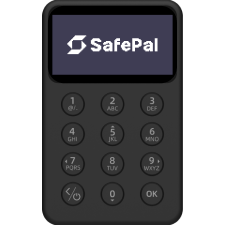
A Safepal wallet setup makes sense when the owner wants direct control of keys, more chain coverage, hardware signing, or DApp access. An exchange account is simpler for buying crypto with familiar login recovery, but it does not provide the same self-custody structure. The wallet route puts recovery, address management, and transaction approval in the user's hands.
Alternatives include Ledger for a broad hardware ecosystem, Trezor for long-standing open-source hardware emphasis, MetaMask for Ethereum-first browser usage, and Trust Wallet for mobile multi-chain convenience. SafePal's angle is the combination of mobile app, extension, SFP ecosystem, air-gapped S1 devices, Bluetooth X1 hardware, and seed-storage accessories under one brand. That mix gives it a practical middle ground between phone-only wallets and hardware-only storage.
Common questions about Safepal wallet
Which SafePal hardware device fits long-term SFP storage?
S1 and S1 Pro suit users who want air-gapped signing for long-term storage, because transaction approval happens on a separate device rather than inside a phone or browser. X1 fits users who prefer Bluetooth hardware management and open-sourced device software. For SFP storage, the stronger choice depends on whether offline isolation or easier connection flow matters more.
Does the SafePal App require a hardware wallet?
The SafePal App works as a software wallet on iOS and Android without a hardware device. A hardware wallet becomes useful when the owner wants a separate signing device for larger balances or longer-term storage. The app remains the management interface either way, while S1, S1 Pro, or X1 adds another approval layer.
Fees on Safepal wallet transfers come from where?
Transfer fees come from the blockchain network used for the transaction. Bitcoin transfers need BTC fees, Ethereum token transfers need ETH for gas, and BNB Chain transfers need BNB. Swaps, buys, sells, and bridge-like flows also show provider pricing inside the transaction process, so the visible quote matters before approval.
Is SFP required to store Bitcoin or Ethereum in SafePal?
SFP is not required simply to receive or hold Bitcoin, Ethereum, BNB, or ERC20 tokens in a SafePal wallet account. Network fees are paid with the native asset of the chain being used. SFP belongs to the SafePal ecosystem, but basic custody of supported assets does not depend on holding it.