Safepal wallet is an air-gapped hardware and mobile crypto wallet suite
Key takeaway: Crypto wallet suite for storing and managing Bitcoin, Ethereum, and ERC20 tokens, with S1 air-gapped hardware support and app trading.
Safepal wallet is a crypto storage system built around SafePal S1 air-gapped signing, the SafePal App, and support for Bitcoin, Ethereum, BNB, ERC20 tokens, NFTs, and thousands of digital assets. It gives users a hardware device for offline key protection, a mobile app for daily portfolio management, and browser or Telegram options for chain interactions, swaps, transfers, and asset tracking.
The S1 device signs without USB, Wi-Fi, or Bluetooth
The SafePal S1 is the product that defines the brand for many users. It keeps private keys inside a dedicated hardware wallet and signs transactions through QR code communication with the mobile app. That air-gapped design matters because the signing device does not need a cable, radio connection, or browser session to approve a transaction. The phone prepares the transaction, the hardware wallet reviews and signs it, and the app broadcasts the signed result to the network.
This workflow is slower than a purely mobile wallet, but it makes each approval more deliberate. A user sees the receiving address, chain, token, and transaction details on the device screen before signing. Safepal wallet is strongest when that extra review step becomes a habit rather than a rare emergency measure.
Where the SafePal App fits into everyday crypto use
The app is the control center for balances, token lists, swaps, transfers, NFT viewing, and wallet management on iOS and Android. It connects to the S1 and S1 Pro for hardware-backed accounts, and it also supports software wallet use for people who want a mobile-only setup. The same app experience gives a new user one place to monitor Bitcoin, Ethereum, BNB, stablecoins, and tokens across multiple chains.
Because the app handles the online side of the workflow, it also becomes the place where transaction fees, receiving addresses, and network selection need attention. Sending USDT on one chain is not the same as sending it on another, and ERC20 tokens require Ethereum gas. Safepal wallet keeps those actions in a single interface, while the underlying blockchain rules still determine confirmation time and cost.
S1 Pro and X1 give two different hardware paths
The S1 Pro is the enhanced version of the flagship S1 line, aimed at users who like the air-gapped signing model and want improved device specifications. It preserves the offline approval concept while giving the hardware lineup a more premium option. Someone who already understands QR-based signing will find the Pro model familiar rather than radically different.
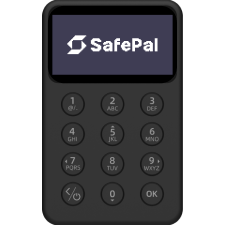
The X1 takes another route: it is a fully open-sourced Bluetooth hardware wallet built for easier crypto management. Bluetooth gives it a more direct connection style, which suits users who prefer faster device pairing and a more familiar mobile accessory feel. The choice between S1-style air gap and X1-style Bluetooth is less about which is universally superior and more about whether offline isolation or daily convenience matters more for the account being protected.
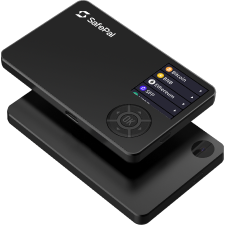
Supported assets include Bitcoin, Ethereum, BNB, and ERC20 tokens
SafePal is built for broad asset coverage, not a single-chain niche. The wallet family supports major coins such as Bitcoin, Ethereum, and BNB, along with Ethereum ERC20 tokens and many other digital assets. That range suits users who hold long-term BTC, interact with EVM applications, keep stablecoins, and manage exchange-related assets without splitting every chain into a separate tool.
Token support does not remove the need to choose the right network before a transfer. BTC addresses, Ethereum addresses, BNB Smart Chain addresses, and other chain formats follow different rules. A practical Safepal wallet routine includes checking the asset, chain, destination, and fee token before approving a transaction, especially when moving funds from an exchange or bridging between networks.
Seed phrase protection is part of the product family
Every self-custody setup depends on the recovery phrase. SafePal's Cypher product is designed to store and protect 12, 18, and 24 word seed phrases against water, fire, and corrosion. That is a separate physical backup approach, not a digital feature inside the app. It addresses the part of wallet security that causes many permanent losses: the phrase gets misplaced, photographed, damaged, or stored in a place other people can access.
Importantly, Safepal wallet users should treat the recovery phrase as the master key for the account. The hardware device protects signing, but the phrase restores access if the device is lost or replaced. A metal backup, a private storage location, and a clear recovery plan matter as much as the model of device chosen.
Browser extension, Telegram Mini App, and banking access widen the setup
The SafePal Browser Extension works with Chrome, Edge, and Firefox, giving desktop users a wallet interface for web applications and account activity. This is useful when interacting with DeFi dashboards, NFT marketplaces, or chain explorers from a laptop. A browser extension places wallet prompts closer to web activity, so approvals should be reviewed with the same care used on mobile.
In practice, SafePal Mini brings a Telegram Mini App option, while the broader product lineup also references banking access, assets, and a crypto-friendly banking gateway with Mastercard support. Those additions show the brand moving beyond simple storage into spending, account access, and app-based financial workflows. The core Safepal wallet decision remains custody: who holds the keys, how transactions are approved, and where the recovery phrase lives.
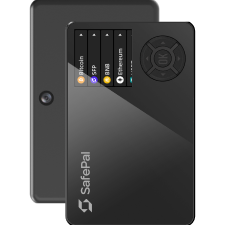
Getting started with an S1-backed account
A clean setup starts with the device, the app, and an offline place to record the recovery phrase. The hardware wallet creates or imports the wallet, the phrase is written down, and the app pairs with the device through the intended signing flow. Once paired, the app watches balances and prepares transactions while the device approves them.
- Initialize the hardware wallet in a private location.
- Write the recovery phrase on paper or a metal backup before funding the account.
- Pair the device with the SafePal App and confirm the account shown in the app.
- Send a small test transfer before moving a larger balance.
- Keep the device PIN, recovery phrase, and app access separate.
That sequence sounds basic, yet it prevents the most expensive first-week mistakes. Safepal wallet works best when a user proves the receive and recovery process before treating the account as long-term storage.
Trading, swaps, and approvals deserve a slower review
Buying, selling, trading, and swapping from inside a wallet interface makes crypto feel easier, but every on-chain action still creates a signed instruction. Token approvals are especially important because they grant a smart contract permission to move a token from an address. A hardware wallet signature does not make a bad approval harmless; it only proves that the key holder approved it.
Notably, Safepal wallet gives users a consistent place to manage these actions, and the safest rhythm is simple: inspect the token, chain, amount, contract interaction, and destination before signing. That habit matters more when using DeFi tools, new tokens, NFT contracts, and cross-chain services, where a familiar button can still trigger a complex transaction.
SafePal versus Ledger, Trezor, and mobile-only wallets
Typically, SafePal competes most directly with hardware wallets such as Ledger Nano devices and Trezor models, while also overlapping with mobile wallets such as Trust Wallet and MetaMask Mobile. Its distinctive position is the combination of S1 air-gapped QR signing, a mobile-first app, and a wider product family that includes S1 Pro, X1, browser access, Mini App access, and physical seed storage.
Ledger devices are well known for broad ecosystem integrations and USB or Bluetooth workflows, depending on the model. Trezor is widely recognized for open-source hardware-wallet heritage and a strong desktop experience. Mobile-only wallets put speed first and remove the extra signing device. Safepal wallet is most appealing when a user wants hardware-backed self-custody without making a desktop computer the center of the setup.
Who gets the most value from this wallet stack
The strongest fit is someone who holds assets across several networks and wants a hardware device for serious balances while still using a phone for portfolio actions. It also fits users who want Bitcoin storage, Ethereum and ERC20 token management, BNB exposure, and occasional swaps inside one ecosystem. SFP token holders and users already familiar with Binance-linked assets will also recognize several names in the broader SafePal environment.
A lighter user who only keeps a small exchange balance or sends one coin twice a year might find the full product family more than they need. A high-activity DeFi user might combine hardware custody with a separate hot wallet for experiments. Safepal wallet sits between those patterns: it is built for people who want daily usability, physical key protection, and a recovery setup they can understand before a large transfer leaves the exchange.
Helpful answers about Safepal wallet
Is the SafePal S1 hardware wallet completely offline?
The SafePal S1 uses an air-gapped signing flow, so it signs transactions without USB, Wi-Fi, NFC, or Bluetooth communication. The mobile app prepares the transaction and displays data for the device to scan, then the device returns a signed result for broadcast. The phone remains online, while the private keys stay inside the hardware wallet during signing.
What assets work with SafePal hardware and app wallets?
SafePal supports major assets such as Bitcoin, Ethereum, BNB, ERC20 tokens, stablecoins, NFTs, and many other digital assets across supported networks. The exact send fee and address format come from the selected chain, so users still need to match the asset and network before transferring funds from an exchange or another wallet.
Does SafePal require the SFP token to use the wallet?
The SFP token belongs to the SafePal ecosystem, but holding it is not required just to create a wallet, receive crypto, or use the core hardware signing workflow. Network fees are paid in the gas token of the blockchain being used, such as BTC for Bitcoin transactions or ETH for Ethereum transactions.
Can I use SafePal from a desktop browser?
Yes. SafePal offers a browser extension for Chrome, Edge, and Firefox, which gives desktop users a wallet interface for web-based crypto activity. The extension is separate from the mobile app experience, but it serves a similar purpose: viewing accounts, connecting to applications, and reviewing transaction prompts before approval.
Recovering access if a SafePal device is lost
Access is recovered with the wallet's recovery phrase, not with the lost device itself. A new compatible wallet can restore the same accounts when the correct 12, 18, or 24 word phrase is entered in order. Anyone who has that phrase controls the assets, so the backup should be stored offline and away from phones, cloud drives, and shared photos.
Which SafePal model is better for QR signing or Bluetooth use?
The S1 and S1 Pro are the better fit for QR-based air-gapped signing, where the device avoids direct wireless or cable communication during approvals. The X1 is the better fit for users who want a fully open-sourced Bluetooth hardware wallet with easier mobile pairing. The right model depends on whether isolation or connection convenience is the priority.
Are SafePal swaps cheaper than sending from an exchange?
Swap cost depends on the blockchain fee, route, token pair, and any service pricing shown before confirmation. Sending from an exchange follows the exchange's withdrawal fee schedule, while wallet swaps involve on-chain execution and quoted rates. The meaningful comparison is the final received amount after network fees and price impact, not only the visible transaction fee.