Safepal wallet is an air-gapped S1 storage setup for Bitcoin and ERC20 tokens
Key takeaway: Crypto hardware and mobile wallet for storing Bitcoin, Ethereum and ERC20 tokens, with S1 air-gapped signing for offline key protection.
Safepal wallet is an air-gapped crypto storage setup built around the SafePal S1 hardware device, the SafePal App, and QR code transaction signing. It keeps private keys offline while letting users manage Bitcoin, Ethereum, BNB, ERC20 tokens, NFTs, and other digital assets from a mobile interface. The key idea is simple: the phone prepares activity, the hardware wallet signs it, and the private key stays inside the device.
The S1 workflow separates viewing from signing
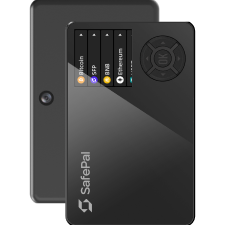
The most distinctive part of this setup is the split between the connected app and the offline signer. The app shows balances, builds transactions, and displays a QR code. The S1 scans that code, shows the transaction details on its own screen, and signs only after the user confirms. A second QR code carries the signed transaction back to the phone for broadcast.
That flow makes Safepal wallet different from a purely mobile wallet because the phone never needs the seed phrase or private key. It also differs from many cable-first hardware wallets because the S1 does not rely on USB, Bluetooth, Wi-Fi, or NFC for transaction signing. The user gets mobile convenience without turning the phone into the trust center.
What the hardware device actually stores
The S1 stores the cryptographic keys that control addresses across supported networks. Those keys are created from a recovery phrase, and the phrase is the real backup for the wallet. SafePal also sells Cypher, a metal storage product designed for 12, 18, and 24 word seed phrases, which matters because paper backups fail under water, heat, and daily wear.
On the asset side, the same wallet environment supports major coins such as Bitcoin, Ethereum, and BNB, plus ERC20 tokens on Ethereum. Users also see many other network assets in the app, but the security model remains the same: balances are read through connected software, while approvals and outgoing transfers require a confirmed signature from the offline device.
How Bitcoin and ERC20 transfers move through the app
A Bitcoin payment starts in the SafePal App with a recipient address, amount, and network fee. The S1 scans the unsigned transaction, shows the destination and amount, and returns a signed payload by QR code. The phone then broadcasts it to the Bitcoin network. Nothing in that sequence asks the S1 to expose the private key.
ERC20 activity adds one extra layer because Ethereum tokens use smart contracts. Sending USDT, USDC, LINK, or another ERC20 token still uses an Ethereum transaction underneath, which means the account needs ETH for gas. Token approvals also deserve attention: an approval gives a smart contract permission to move a specified amount, so the signing screen matters as much as the app screen.
Where the app, extension, and Mini app fit
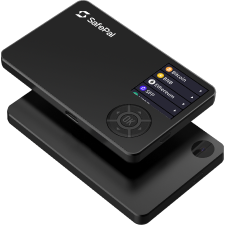
Safepal wallet is not just the S1 device. The ecosystem includes the SafePal App for iOS and Android, a browser extension for Chrome, Edge, and Firefox, and a Telegram Mini App called SafePal Mini. The app is the main companion for the S1 hardware wallet because it handles portfolio viewing, swaps, token management, and transaction broadcasting.
The browser extension suits people who interact with web-based DeFi apps, NFT marketplaces, and on-chain tools from a desktop browser. The Mini app adds a lighter mobile access point inside Telegram. These interfaces expand where a user manages crypto, while the hardware wallet remains the place where sensitive signing decisions happen.
Choosing S1, S1 Pro, or X1 for daily storage
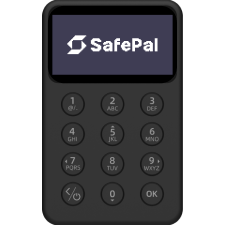
Importantly, SafePal's hardware lineup gives users different tradeoffs. The S1 is the familiar air-gapped model. S1 Pro is positioned as an enhanced version of the flagship S1 with improved specifications. X1 is described as a fully open-sourced Bluetooth hardware wallet, which points toward easier everyday management for users who accept a different connection model.
For a cold-storage routine, the S1 model fits users who value QR-based signing and minimal connectivity. The Pro version suits someone who wants the same general air-gapped family with upgraded hardware. X1 serves a different preference: open-source design and Bluetooth convenience. None of those choices changes the basic requirement to protect the recovery phrase from loss, screenshots, cloud backups, and shared devices.
Setting up the wallet without weakening the backup
Start with the device itself, the official SafePal App, and a private place to write the recovery phrase. During setup, the wallet creates the seed phrase and asks the user to confirm it. That phrase should be written on physical backup material before any meaningful funds arrive.
- Create the wallet on the hardware device, not inside a screenshot or note app.
- Record the recovery phrase in the exact word order shown.
- Set a device PIN that is not reused from a phone or exchange account.
- Send a small test transaction before moving a larger balance.
- Check recipient addresses on the S1 screen before confirming.
Once configured, Safepal wallet becomes a repeatable routine rather than a one-time setup. The app prepares transactions, the device checks them, and the backup phrase stays offline. That routine is especially valuable for users who hold assets across Bitcoin and Ethereum because each network has different transaction details, fee behavior, and address formats.
The main benefits for self-custody users
Air-gapped signing reduces the attack surface created by daily phone use. A phone handles messaging, browsing, downloads, wallet connections, and exchange apps, so it is a poor place to store long-term keys. The S1 keeps the signing secret in a separate device while still letting the app handle the parts that need network access.
Another benefit is clarity. A dedicated signing screen gives the user a last checkpoint before a transaction leaves the wallet. That matters for Ethereum approvals, NFT transfers, and DeFi interactions where one tap in a connected app carries real asset permissions. Safepal wallet also keeps a broad asset view in one place, which helps users track Bitcoin, Ethereum assets, BNB ecosystem tokens, and collectibles without juggling several wallets.
Risks that matter most with air-gapped storage
The biggest risk is not the QR code process; it is recovery phrase exposure. Anyone who obtains the seed phrase controls the wallet, and anyone who loses the phrase loses the fallback path if the device is damaged or reset. A metal backup and a private storage location solve more real-world problems than adding another app.
Smart contract approvals are the other serious concern. An air-gapped signer confirms what is presented, but it does not turn a bad contract into a good one. Users should read the token, network, recipient, and approval amount on the hardware screen before signing. One specific caution is worth making: never type the recovery phrase into a website, chat, search result, or support form.
Ledger, Trezor, Keystone, and the SafePal choice
Hardware wallet buyers usually compare SafePal with Ledger, Trezor, and Keystone. Ledger Nano X is known for Bluetooth support and a broad companion app experience. Trezor Safe 5 focuses on open-source tradition and a color touchscreen. Keystone 3 Pro emphasizes QR signing and a large touchscreen for an air-gapped workflow.
| Wallet line | Connection style | Best fit |
|---|---|---|
| SafePal S1 | QR code signing | Mobile-first cold storage without cable signing |
| Ledger Nano X | Bluetooth and USB | Users who want broad app support and wireless use |
| Trezor Safe 5 | USB with touchscreen | Users who prioritize open-source wallet tradition |
| Keystone 3 Pro | QR code signing | Users who want an air-gapped device with a larger screen |
The better choice depends on the signing routine someone will actually follow. Safepal wallet has a strong case for people who manage crypto mainly from a phone and want the S1 to remain offline during approvals and transfers.
When this wallet setup makes the most sense
This approach fits long-term storage, periodic Bitcoin transfers, Ethereum token custody, and on-chain users who want a physical confirmation step before funds move. It is less about frequent market timing and more about keeping authority over keys while still using a practical mobile interface.
In practice, Safepal wallet also makes sense for users who already hold assets across several networks and want one ecosystem for hardware storage, app management, browser access, and seed phrase protection products. The strongest habit is consistent: keep the seed phrase offline, sign only after reading the device screen, and treat every approval as a permission decision.
Key questions about Safepal wallet
Can Safepal wallet store both Bitcoin and ERC20 tokens at the same time?
Yes. The same wallet setup supports Bitcoin addresses and Ethereum accounts that hold ERC20 tokens. Bitcoin transfers use the Bitcoin network, while ERC20 tokens move through Ethereum smart contracts and require ETH for gas. The app displays balances and builds transactions, and the S1 hardware device signs outgoing activity after the user checks the details on its screen.
Does the S1 need Bluetooth or USB to sign a transaction?
The SafePal S1 signs transactions through QR codes rather than Bluetooth, Wi-Fi, NFC, or a USB data connection. The app creates an unsigned transaction, the S1 scans it, and the device returns a signed QR code for the app to broadcast. USB is associated with charging and device maintenance, not routine transaction signing on the S1 model.
What happens if the SafePal S1 device is lost or damaged?
The recovery phrase is the fallback. A user who still has the correct seed phrase restores the wallet on a compatible device and regains access to the same addresses. A lost device without a lost phrase is an inconvenience; a lost phrase without any usable wallet backup is a permanent access problem. That is why physical seed storage matters from the first setup.
Which SafePal hardware model is better for an air-gapped routine?
The S1 and S1 Pro are the relevant SafePal choices for an air-gapped QR-signing routine. The S1 is the core model, while S1 Pro is positioned as an enhanced version with improved specifications. X1 belongs to a different category because it uses Bluetooth and highlights open-source design, making it better suited to users who value that connection style.
Recovering access if the mobile app is deleted, what should a user expect?
Deleting the mobile app does not erase the private keys stored on the hardware wallet or invalidate the recovery phrase. After reinstalling the app, the user pairs the hardware wallet again and restores the visible account view. Balances live on their blockchains, so the app is an interface for viewing and broadcasting, while the keys remain tied to the device and seed phrase.
Are ERC20 token approvals safer when signed on the S1?
Hardware signing improves key protection, but an approval still gives a smart contract permission to spend tokens within the approved limit. The S1 helps by showing the signing request outside the phone environment, which gives the user a separate confirmation step. The important habit is reading the token, network, contract request, and approval amount before confirming.
Do I need ETH in the wallet before sending an ERC20 token?
Yes. ERC20 transfers use Ethereum transactions, so the account needs ETH to pay network gas. Holding only an ERC20 token is not enough to move it from an Ethereum address. The same idea applies on other smart contract networks: the account needs the native gas asset for that network before a token transfer or approval broadcasts successfully.